

Reputation+


Nostalgia is a powerful emotion that can transport us back to a simpler time and evoke feelings of happiness and comfort. It also shapes how we feel about the brands we interact with. That's why nostalgia marketing has become a go-to strategy for brands looking to build emotional connections, foster loyalty, and create positive associations that stick with consumers long after the campaign ends.
But nostalgia marketing is not just about adding a retro filter or referencing the past. The strongest campaigns are built on audience insight. They tap into memories, cultural moments, aesthetics, and emotional triggers that already matter to the people a brand wants to reach.
In this guide, we’ll break down what nostalgia marketing is, why it works, how it resonates with Millennials and Gen Z, and how to create a nostalgia marketing strategy that feels timely, authentic, and engaging.
Key Takeaways
-
Definition: Nostalgia marketing is a strategy that taps into positive past memories to build an immediate emotional bond with consumers.
- Strategy: The best nostalgia marketing campaigns start with audience research, not assumptions. Use social listening to identify the memories, aesthetics, shows, songs, trends, and phrases your audience already engages with.
-
Target Audience: Millennials often respond to nostalgia from lived childhood and teen experiences, while Gen Z often connects with “vicarious nostalgia” through Y2K aesthetics, streaming, TikTok, YouTube, and creator culture.
-
Execution: Brands can use retro visuals, nostalgic copy, brand milestones, limited-edition releases, throwback content, and participatory social campaigns to turn memories into engagement. Nostalgia can drive high comment volume, so brands should plan how they will moderate, respond to, and learn from audience reactions.
What is nostalgia marketing?
Nostalgia marketing is a strategy that taps into positive memories from the past to create an immediate emotional connection between a brand and its audience.
It can be triggered by a familiar song, a childhood toy, a retro visual style, an old TV show, a discontinued product, a cultural reference, or even a phrase that reminds people of a specific moment in time.
These moments are powerful because they connect your audience to a specific period, feeling, or identity. A nostalgic campaign does not just remind people of the past. It helps them relive how that moment felt.
Brands that use nostalgia marketing understand this emotional connection and use it to their advantage. By evoking these feelings of nostalgia, they can create a sense of comfort and favorability with their products or services. That emotional warmth doesn't just feel good for the consumer. It fosters brand loyalty and preference, and it helps bring people together around a shared experience, making your brand part of the memory itself.
Coca-Cola’s 2025 return of Share a Coke is a strong example. The campaign originally launched in Australia in 2011 and became globally recognized for replacing the Coca-Cola logo on bottles and cans with popular first names. In 2025, Coca-Cola brought the idea back for a new generation, adding app-based personalization, QR codes, a digital hub, and a “Memory Maker” experience designed for sharing personalized videos and memes.
Why does nostalgia marketing work?
Nostalgia works because it connects emotion with memory.
When people encounter something that reminds them of a meaningful time in their lives, they often associate that positive feeling with the source of the trigger. For brands, this can create a sense of familiarity and trust.
Nostalgia can also help audiences feel grounded during periods of uncertainty or rapid change.
According to Mintel, consumers aged 25-44 are especially likely to enjoy things that remind them of their past, including childhood memories. Mintel also noted that marketers have leaned into 90s nostalgia as Millennials look for comfort and familiarity.
This is one reason nostalgia marketing has been especially effective with Millennials. But nostalgia is no longer limited to the generation that lived through a particular era.
Today, nostalgia also works through aesthetics, algorithms, creator culture, and rediscovery.
A Gen Z consumer may not have watched a 90s sitcom when it first aired, but they may have discovered it through streaming. They may not have owned a flip phone, but they understand its visual appeal. They may not have grown up with a specific brand mascot, but they can still engage with it as part of a broader retro trend.
That makes nostalgia a flexible strategy for reaching multiple generations, as long as the emotional hook feels authentic.
Why nostalgia marketing works for Millennials and Gen Z
Millennials are particularly responsive to nostalgia because they grew up during a period of rapid technological and cultural change.
Many Millennials remember a world before smartphones, social media, streaming, and constant digital connection. They experienced the shift from physical media to digital platforms, from TV schedules to on-demand entertainment, and from early internet culture to today’s always-on social feeds.
For this generation, nostalgia marketing can feel like comfort food for the soul. It brings back the shows, music, toys, fashion, snacks, games, and cultural moments they loved as children and teenagers.
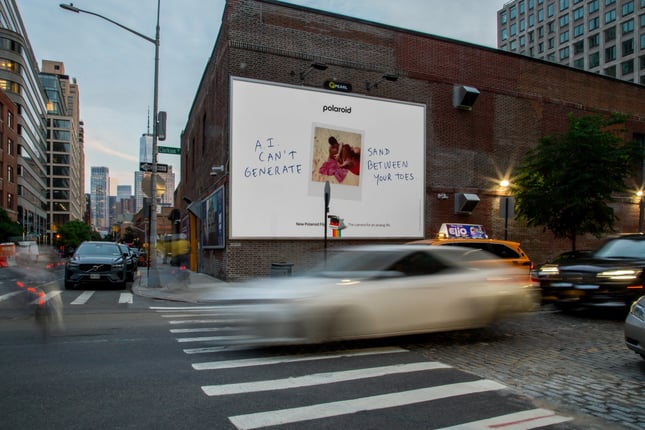
Polaroid’s recent analog-focused campaign shows this clearly. The brand leaned into the emotional appeal of physical memories, phone-free experiences, and instant photography at a time when many consumers are experiencing digital fatigue. Its campaign included phone-free walking tours in cities like Paris and Tokyo, encouraging people to create real-world memories using the Polaroid Flip camera.
But Millennials are not the only audience responding to nostalgia.
Gen Z, born between 1997 and 2012, has developed a different relationship with the past. Unlike Millennials, who lived through much of the 90s and early 2000s, Gen Z often experiences nostalgia secondhand through platforms like TikTok, YouTube, streaming, memes, edits, and social conversations.
They did not grow up watching every 90s sitcom in real time, but they may have binged them online. They did not necessarily live through the Y2K era, but they recognize and remix its fashion, music, graphics, and digital aesthetics.
This is often called vicarious nostalgia: nostalgia for an era someone did not personally experience, but still feels emotionally connected to. For brands, the takeaway is clear: nostalgia marketing is no longer only about lived memory. It can also be about cultural rediscovery.
 .
. 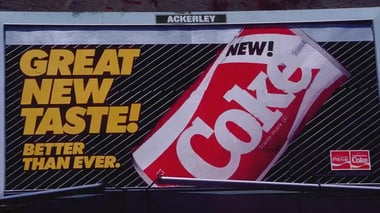
This is one reason Stranger Things became such a powerful nostalgia vehicle. The show’s 1980s setting speaks directly to older audiences who remember that era, while also giving younger viewers a stylized version of the past they can discover and participate in. The Coca-Cola and New Coke integration worked because it connected a real brand history with a fictional universe that already made the 80s feel emotionally vivid.
How to implement nostalgia marketing for Gen Z
For Gen Z, nostalgia marketing works best when brands focus less on recreating the past exactly and more on remixing it for today’s platforms, behaviors, and aesthetics.
Here’s how to make nostalgia resonate with younger audiences.
1. Focus on the aesthetic, not just the memory
Gen Z may not remember a specific decade firsthand, but they understand the visual language of it.
Y2K-inspired design, glossy textures, flip phones, chunky accessories, playful fonts, metallic colors, old-school merch, early internet graphics, and pop-star styling can all signal nostalgia quickly.
Zara Larsson’s Midnight Sun era is a useful example of how a Y2K-inspired aesthetic can become part of a broader brand universe. Her recent visual direction leans into a colorful, sun-soaked, playful world that feels highly internet-native while still referencing late-90s and early-2000s pop culture codes.
That aesthetic has extended beyond styling into merchandise and fashion partnerships. Her official Midnight Sun Lisa Frank Edition CD features an underwater dreamscape with dolphins, flowers, and musical notes, directly tapping into a TikTok meme and a visual language many audiences associate with the late 90s and early 2000s.
The same world has also expanded into fashion. Desigual launched its global Life’s a Beach campaign with Zara Larsson, connecting the brand’s colorful, beach-inspired creative universe with the artist’s aesthetic.
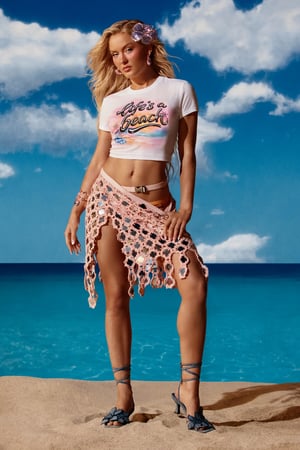
For marketers, the lesson is simple: Gen Z nostalgia often starts with visual fluency. The audience does not need to have lived through an era to understand its codes. If the aesthetic is distinctive, recognizable, and adapted to current platforms, it can still feel emotionally relevant.
2. Remix the past instead of copying it
The strongest Gen Z nostalgia campaigns do not simply recreate an old ad or visual style. They reinterpret the past through modern formats.
That could mean short-form video, creator collaborations, TikTok sounds, meme formats, limited-edition drops, interactive polls, or social-first storytelling.
Gap’s Better in Denim campaign with KATSEYE is a strong example. The campaign used Kelis’s early-2000s hit “Milkshake,” low-rise denim, choreography, and a global girl group to reintroduce Y2K denim styling in a way that felt contemporary and social-first. Gap described the campaign as reintroducing low-rise denim into the cultural conversation through dance and individuality.
The nostalgia came from the music, denim styling, and early-2000s references. The modern relevance came from casting KATSEYE, using choreographed movement, and making the campaign feel built for social sharing.
3. Make the campaign participatory
Gen Z nostalgia often spreads through participation.
Give people a reason to comment, duet, stitch, recreate, vote, compare, or share their own memories. Nostalgia becomes more powerful when audiences can add their own perspective to it.
Disney’s Hannah Montana 20th anniversary campaign is a strong example of this. The anniversary special drove 6.3 million views on Disney+ and Hulu after three days of streaming, while Disney reported that viewing of the Hannah Montana catalog increased nearly 1,000% that week. The campaign also sparked major social engagement, with Disney reporting nearly 440 million impressions and more than 30 million engagements across TikTok, Instagram, X, YouTube, and Facebook for owned posts.
The campaign worked because it did not just ask people to remember Hannah Montana. It gave them multiple ways to participate: watching the special, revisiting the catalog, engaging with social content, reacting to Miley Cyrus moments, and joining brand activations.
How to create a nostalgia marketing strategy
A strong nostalgia marketing strategy starts with understanding what your audience remembers, misses, references, and emotionally responds to.
Here are fours steps to build one:
1. Learn your audience's fond memories
To create a nostalgia marketing campaign, you need to know what memories your target audience cherishes.
You can use social media monitoring and listening tools to find out what your audience is talking about. Look for keywords such as "I remember," "I miss," and other similar phrases. This will give you an idea of what memories your audience is nostalgic for.
Copy and paste this list of keywords into your social media monitoring tool to find potential ideas for nostalgia marketing. Don't have a social media monitoring tool yet? Book a demo here and see BrandBastion's features firsthand.
For example, Pura Vida featured the popular 90s fashion trend of puka shells in one of their ads. As 90s fashion trends made a comeback, apparel and accessories brands found natural ways to connect current products to past aesthetics.
2. Use visuals and copywriting to evoke nostalgia
Visuals and copy are powerful tools for evoking nostalgia. Use vintage or retro designs in your marketing materials to create a sense of nostalgia. Here are a few ways to bring that retro feel into your marketing materials:
-
Revive vintage design elements. Use retro-inspired logos, fonts, color palettes, packaging, textures, and layouts to set a nostalgic tone across your social media posts, ads, emails, landing pages, and product packaging.
-
Bring back iconic brand moments. If your brand has history, consider reviving beloved past campaigns, including old jingles, slogans, mascots, packaging, or product lines your audience may remember fondly.
-
Tap into pop culture references. Reference movies, music, fashion, shows, games, or trends from the era your audience connects with. Even newer brands can harness nostalgia by weaving in well-known cultural touchpoints from decades past.
-
Use old photos, film-style filters, or retro graphics. Visual cues like grainy textures, camcorder effects, old-school graphics, scrapbook layouts, and analog-style photography can immediately signal “throwback” and help set the emotional tone before your audience even reads the caption.
Vans, for example, has leaned into puffy 90s styling and checkered visuals to evoke a retro skate and streetwear feel. This kind of visual nostalgia works because it communicates the era instantly.
3. Look for timely opportunities to leverage nostalgia
To maximize the impact of your campaign, consider aligning it with events or holidays that already have a strong nostalgic resonance.
-
Holidays: Tap into seasonal traditions (e.g., Thanksgiving family meals) to evoke shared cultural history.
-
Social trends: Use weekly opportunities like #ThrowbackThursday to share archival content and engage with audience memories.
-
Brand milestones: Celebrate company anniversaries, product launches, or campaign anniversaries by re-releasing limited editions, sharing “then vs. now” visuals, or asking your audience to share their earliest memories with your brand.
- Cultural anniversaries: TV shows, albums, films, games, and pop culture moments often regain attention around major anniversaries. These moments are especially useful because the conversation is already happening. Your brand can join it in a way that feels relevant, timely, and emotionally resonant.
When Disney Channel celebrated its 40th anniversary, Disney+ shared clips from old TV shows in an emotional throwback. That kind of anniversary content works because it gives audiences permission to revisit a shared cultural memory together.
4. Keep it authentic to the brand
Nostalgia can fall flat when it feels random.
Before using a retro reference, ask whether it connects naturally to your brand, product, audience, or cultural role. If the connection is weak, audiences may read the campaign as trend-chasing.
Authentic nostalgia usually comes from one of three places:
- A real brand asset, such as an old product, mascot, campaign, logo, or jingle.
- A cultural moment your audience already cares about.
- An aesthetic that genuinely fits your brand world.
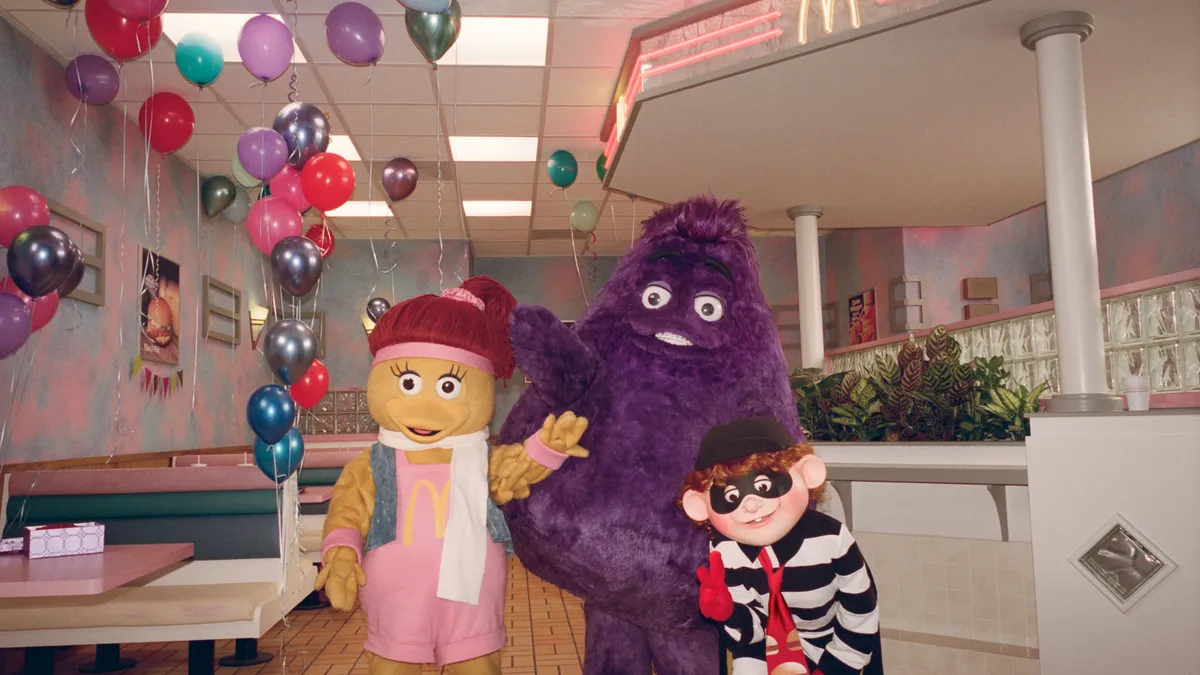
McDonald’s Grimace Birthday Meal is a useful example of brand-owned nostalgia. Instead of borrowing a random retro reference, McDonald’s revived one of its own characters and invited fans to create new birthday memories around Grimace. The campaign included a limited-edition purple shake inspired by Grimace’s iconic color and sweetness.
Nostalgia marketing strategy checklist
Before launching a nostalgia marketing campaign, ask:
- What era, memory, or cultural reference does our audience already care about?
- Is this nostalgia based on lived experience, like Millennials remembering the 90s, or vicarious nostalgia, like Gen Z embracing Y2K aesthetics?
- Does the reference feel authentic to our brand?
- Are we reviving a real brand asset, or borrowing a trend?
- Are we using the right format for the audience, such as TikTok, Instagram Reels, creator content, paid social, email, packaging, or in-store activations?
- Can people participate through comments, UGC, creator content, or social sharing?
- Have we planned how to moderate and respond to increased engagement?
- Are we connecting the nostalgic idea back to a clear product, campaign, or brand message?
- Are we measuring both sentiment and volume, not just reach?
The best nostalgia marketing feels like a brand is reviving something meaningful, not borrowing an aesthetic for attention.
Nostalgia marketing is a powerful tool for evoking positive emotions in your target audience. Use the steps above as a starting point for your campaign strategy.
Looking for more ideas on how to create social media posts and ads that market nostalgia from real brands? Read our article 42 ads that market nostalgia: examples and best practices.